A painting estimate should help you understand the project, not leave you guessing what you are buying. Whether you’re updating a full-time home in Stroudsburg or planning work around visits to a Pocono property, the useful comparison starts with the scope. A lower total can represent less preparation, fewer surfaces, or different materials. Ask the same questions of every company before deciding.
Start with a room-by-room scope
Look for a clear list of surfaces: walls, ceilings, baseboards, doors, door frames, window trim, and closets. “Paint the bedroom” can mean something different to each person. The estimate should say which parts of the room are included and which are staying as they are.
For an exterior, ask about each material and detail separately. Siding, fascia, soffits, railings, and doors may need different work. A walkthrough is a good time to point out areas you want repaired or left untouched.
Make preparation visible
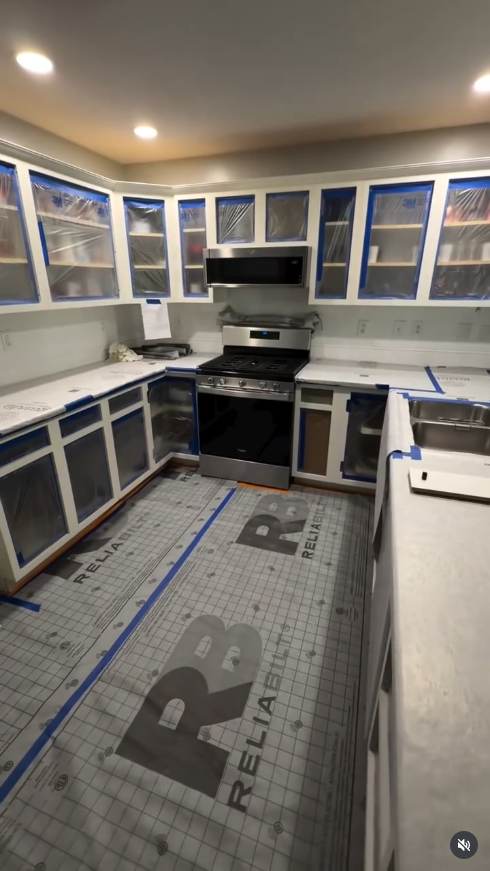
A finished wall can only tell part of the story. Ask what happens before paint goes on: protection, cleaning where needed, repairs, sanding, caulking where appropriate, and priming. A few nail holes are different from damaged drywall, failing coatings, or a surface that needs extensive smoothing.
Rather than accepting a vague promise of “all prep included,” ask the contractor to identify the repairs in the written scope. If additional problems appear once work starts, agree on how changes will be documented and priced before the extra work proceeds.
Compare products and finish expectations
The paint brand alone does not describe the whole system. Ask which product line and sheen are planned, where primer is needed, and what coverage and appearance you should expect. A deep color change or a demanding surface may require a different approach from refreshing an existing finish.
Bring up anything especially important to you, such as the look of trim in direct light, a smooth cabinet finish, or an accent wall. Written expectations help both sides talk about the same result.
Talk about life during the project
Who moves furniture? What happens to curtains and wall decorations? Where will tools be kept? Which rooms remain usable? These details can affect both the work and your routine. For a second home, also agree on access and how you will receive updates while you’re away.
Ask for the expected sequence, a project-specific schedule, payment terms, and a final review of the work. If a warranty is offered, read its actual terms rather than assuming every surface or type of damage is covered.
Use a simple comparison checklist
Put the estimates side by side and compare included surfaces, repairs, protection, coating products, access arrangements, cleanup, and exclusions. Then ask about any gaps. You’re looking for a clear plan you can understand, not simply the longest document.
Good Call Painting serves homeowners in the Poconos and Lehigh Valley. Tell us what you want to change and what matters most about the experience. We’ll discuss your space and put the agreed scope and pricing in writing.